Robot safety & security readiness

Get your robot cleared to work around people.

Buyers, inspectors and regulators all want proof that your robot is safe and secure before it goes live. We find what is missing, run the tests in simulation and on your robot, and turn the results into evidence the lab or auditor accepts.

For robot makers, AI robotics startups and integrators.

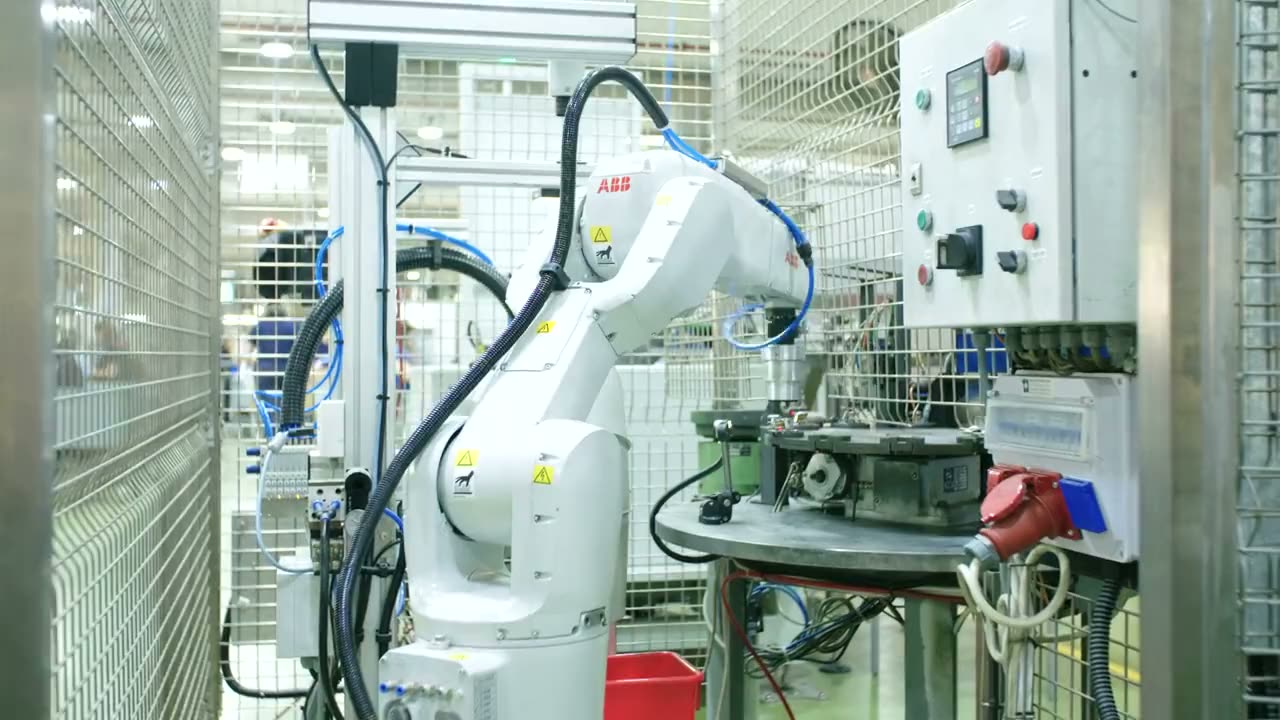
An industrial robot arm working inside a fenced cell on a factory floor

Evidence pack

  • Risk assessment
  • AI test scenes
  • Pen test report
  • SOC 2 controls

Ready for the lab, the inspector and the buyer.

The road to the shop floor

There is no single approval

A robot passes four separate checks between the factory and daily work, and each one is signed by someone different. Passing one does not pass the next.

  1. 1

    The robot

    Signed by: Robot maker

    Is the robot itself built to the safety standards?

  2. 2

    The cell

    Signed by: Integrator

    Is this task safe, with this gripper, speed and layout?

  3. 3

    The site

    Signed by: Inspector or test lab

    Can it be switched on at this site?

  4. 4

    Daily use

    Signed by: Employer

    Are people trained, and are changes recorded?

In the US, the site check is often the slowest step, and an on-site approval covers only that one site. Each new customer site needs its own.

What we cover

Four questions, asked at every check

Whoever is doing the check, they ask the same four things. One change, like a new AI model, can touch all four at once, so we handle them together.

STOPSLOWFULL SPEEDPerson enters

1Physical safety

Is it safe to work next to?

Why it is harder now

ISO 10218 was rewritten in 2025 and is far longer. A "cobot" label is not enough any more: each task, gripper and speed needs its own risk check, with force limits for each part of the body.

What we do

We run the risk assessment task by task. Simulation shows which contact points matter, so fewer need measuring on the real robot. Then we plan the force and stop-time tests and draft the technical file.

You get

  • Risk assessment
  • Force test plan
  • Technical file draft

Standards and laws: ISO 10218-1/-2 · ISO 12100 · ISO 13849 · ANSI/A3 R15.06
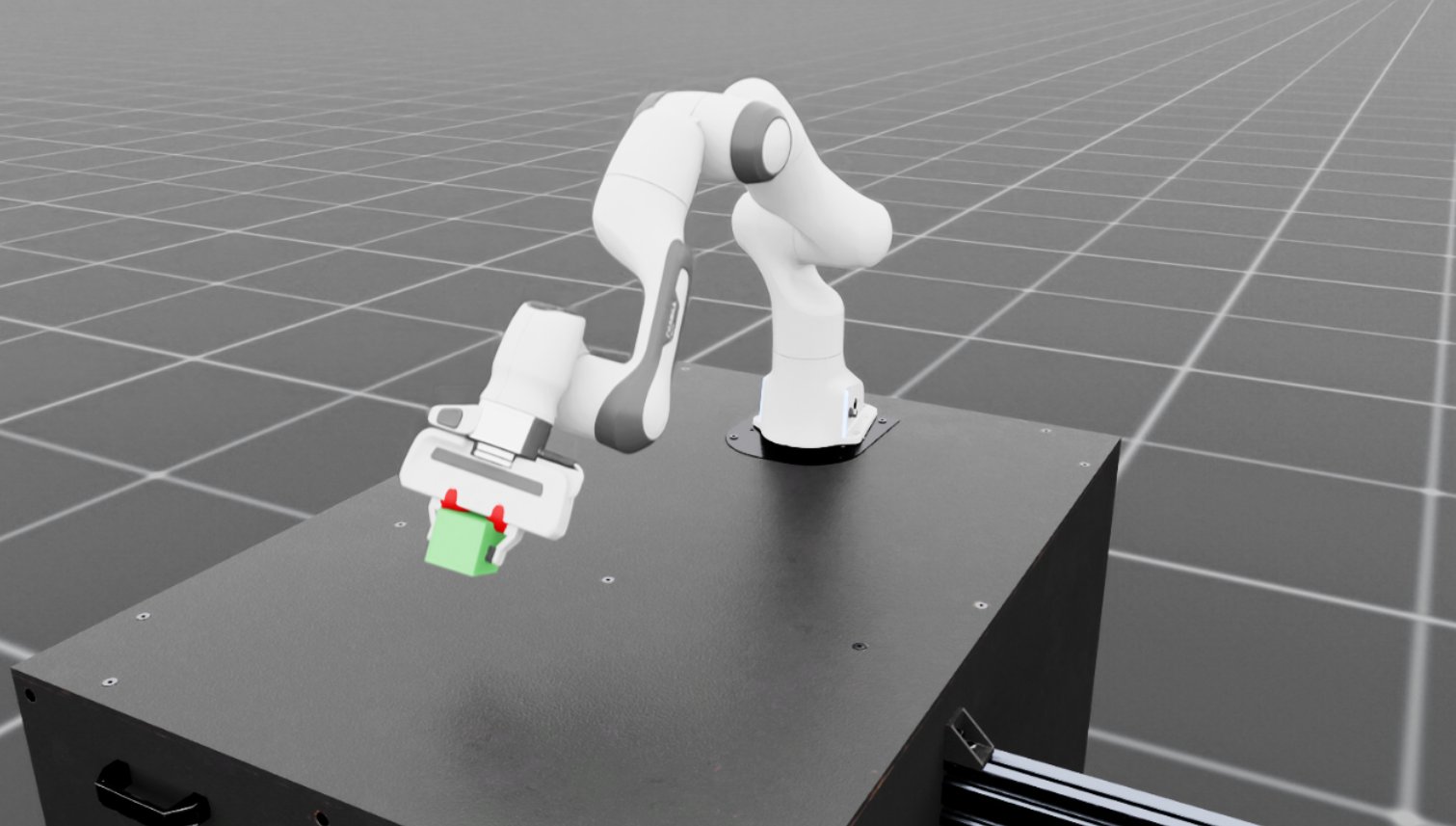
A robot arm picking a block in one of our physics simulations

Test scenes, run in simulation

  • Person steps into the cell
  • A part drops mid-move
  • New model version: re-run every scene

2AI behaviour

Does the AI stay safe after every update?

Why it is harder now

A model update can change how the robot moves near people, but most safety files assume a machine that never changes. From January 2027, if the AI itself keeps people safe, an outside body must review it in the EU.

What we do

We separate what the AI decides from what a safety layer always enforces. Then we re-run normal and rare test scenes in simulation after every update, and test the riskiest ones on the real robot.

You get

  • Safety design note
  • Test scenes
  • Report per model version

Standards and laws: ISO 10218-2 · EU Machinery Regulation · EU AI Act

Remote loginCloud and fleet appSoftware updatesTablet and controllerYour robot

3Product cybersecurity

Can someone hack the robot?

Why it is harder now

Robot security flaws now make the news. Since September 2026 the EU requires makers to report exploited flaws within 24 hours, and buyers increasingly ask for IEC 62443.

What we do

We review threats to the robot, controller, apps and remote access, and run a penetration test where experts try to break in. Then we list every software part and set up the reporting process.

You get

  • Pen test report
  • Software parts list
  • Reporting playbook

Standards and laws: EU Cyber Resilience Act · IEC 62443

RobotVideoMapsLogsYour cloudStaff logins · access logsBuyer IT checkSOC 2

4Company security

Is our data safe with your company?

Why it is harder now

The first large customer often asks for a SOC 2 report before signing. Their IT team asks where robot video is stored and who can log in remotely, and standard audit tools miss these robot parts.

What we do

We set the audit scope, close the gaps and set up controls in a tool such as Vanta or Drata, robot items included. Then we support the audit and answer buyer questionnaires.

You get

  • Audit-ready controls
  • Audit support
  • Buyer security pack

Standards and laws: SOC 2 · ISO 27001

Why now

New rules, one after another

The main robot safety standard was rewritten in 2025, and new EU laws on product security, liability and machinery follow in 2026 and 2027.

  1. In force

    Feb 2025

    New robot safety standard published

    ISO 10218

  2. In force

    11 Sep 2026

    Report exploited security flaws within 24 hours

    EU Cyber Resilience Act

  3. Coming

    9 Dec 2026

    Software counts as a product in damage claims

    EU Product Liability Directive

  4. Coming

    20 Jan 2027

    New machinery law; safety AI needs outside review

    EU Machinery Regulation

  5. Coming

    11 Dec 2027

    Full product security rules, including CE marking

    EU Cyber Resilience Act

  • 20 months

    for one robot maker to get its robot listed by a US test lab.

  • 7–12 months

    for a first SOC 2 report, often asked for before a deal is signed.

  • €15M or 2.5%

    of yearly turnover: the top fine under the EU Cyber Resilience Act.

An example

One robot, two markets

A startup sells an AI robot cell to a car-parts factory in Germany and to a warehouse in the US. The rules work differently in each place.

EU

A factory in Germany

Safety is law.

  • CE marking under the new Machinery Regulation from January 2027.
  • If the AI itself keeps people safe, an outside body reviews it first.
  • Exploited security flaws are reported within 24 hours, starting now.
US

A warehouse in the US

Buyers and inspectors set the bar.

  • No robot-specific law; after accidents, OSHA points to the voluntary standards.
  • A local inspector approves the cell before power-on, often through a lab check.
  • The buyer's IT team sends a security questionnaire and asks for SOC 2.

Most of the evidence is the same, so we build it once

Selling later in the UK, Canada, Japan or Korea? Their rules mostly build on the same ISO 10218 standard, so the same evidence carries over.

  • Risk assessment
  • Force tests
  • AI test scenes
  • Threat review
  • Software parts list

Self-check

What applies to you?

Tick each line that is true for your company. The panel shows which of the four questions to start with.

Statements that may be true for your company

Your result

Tick what is true

Six quick statements. Nothing is sent until you choose to email us.

Book a free 30-min call

How we work

Know where you stand before you commit

Six steps. The first two are small and fixed in cost, and they tell you exactly what is missing before you sign up for anything larger.

  1. 01Start here

    Short call

    30 min · free

    You tell us what you sell, where and to whom. We tell you which of the four questions apply.

  2. 02Start here

    Gap check

    2–4 weeks · fixed fee

    We review what you already have and list what is missing, sorted by deadline and risk.

  3. 03

    Plan

    1 week

    Tasks, owners and dates, and which tests need an outside lab and when to book them.

  4. 04

    Test and collect evidence

    Depends on scope

    Simulation, real-robot and security tests, each one linked to the risk it covers.

  5. 05

    Documents ready

    Depends on scope

    Technical file, test reports and security pack, in the format the lab, auditor or buyer expects.

  6. 06

    Keep it current

    Ongoing

    When the gripper, software or AI model changes, we show what needs checking again.

Steps 4 to 6 repeat whenever the gripper, the software or the AI model changes.

Who does what

You

The robot company

  • Share designs and software
  • Make the design decisions
  • Provide the robot for tests
  • Sign your own declarations
Access and decisions

Us

Preparation and evidence

  • Find the gaps and plan the work
  • Draft risk checks and documents
  • Run simulation and security tests
  • Keep the evidence current
Ready evidence pack

Lab or auditor

Independent final check

  • Independent testing
  • Site inspections
  • Certificates and audit reports

We do not issue certificates. That keeps the final check independent, which is what your customers and regulators expect.

Why us

Testing is only half the job

  • From test results to sign-off

    We map every result to the standard the checker uses, such as ISO 10218, IEC 62443 or SOC 2, and hand over evidence they accept.

  • Safety, AI and security in one place

    A new AI model can affect all three. We check them together, so you are not coordinating three firms.

  • Evidence that stays current

    Each test is linked to the risk it covers. After a change, you re-test only what is affected.

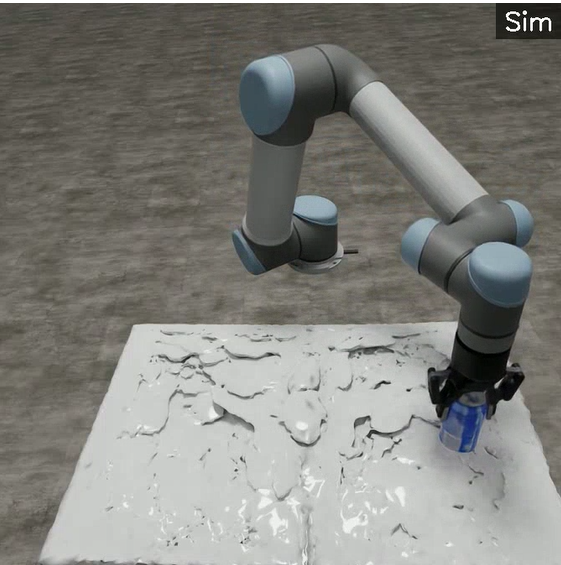
A UR robot arm picking a part in our simulation
In simulation
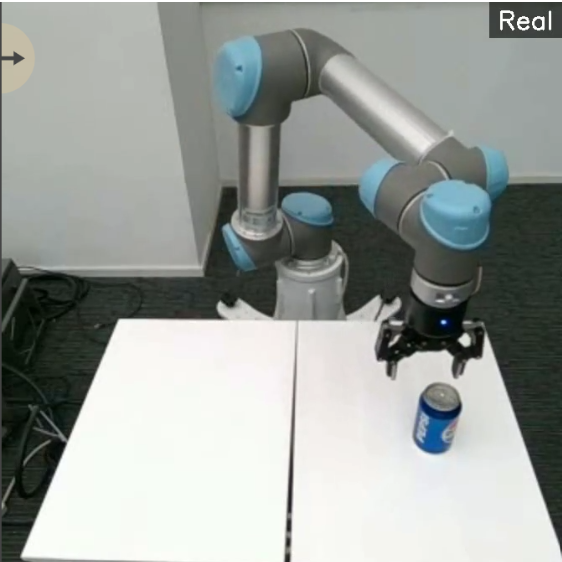
The same UR robot arm picking the part in the real cell
On the real robot

Simulation before hardware

We already model real arms, grippers and cells for our own robotics projects. The same models let us test safety cases before anyone stands next to the robot, or before you buy safety parts or book a lab.

See our simulation work

Start with a free 30-minute call.

Tell us what your robot does and where you sell it. We will tell you which checks apply and what is missing.

This page gives general information. It is not legal advice.